A patient guide for
Teens & Young Adults
Cancer in teens and young adults is rare. But knowing your body and making smart decisions now can help protect you from cancer later. And if cancer anxiety is taking over, we’ve got tips for that, too.
Cancer in teens and young adults is rare. But knowing your body and making smart decisions now can help protect you from cancer later. And if cancer anxiety is taking over, we’ve got tips for that, too.


Finding a doctor can feel weirdly overwhelming. You’re scrolling through clunky insurance websites, reading reviews from strangers named “Claire1987,” and trying to figure out the difference between internal medicine and family medicine. These are all very real hurdles. But getting a primary care physician (PCP) is one of the smartest things you can do for your future health — including cancer prevention and early detection.
Your PCP is basically your health home base. They’re the person who helps connect the dots before something becomes a bigger problem. They can help you stay up to date on vaccines like HPV (which helps prevent several cancers), talk through your family history, help you quit smoking or vaping, and make sure you get the right cancer screenings at the right time.
Start with your insurance company’s website and search for “primary care,” “family medicine,” or “internal medicine.”
Look for someone in-network, close enough that you’ll actually go, and ideally someone whose communication style works for you.
Read reviews and ask friends or family who they go to.
Once you decide on a doctor, call their office to make an appointment.
Cancer prevention isn’t something you can put off until you’re older, it starts now. The truth is, not every cancer can be prevented, but a huge number of cancer cases are linked to things we can control. That means your choices matter….a lot.
Your body is with you for life. Take care of it.
Have you ever heard the phrase “It takes 30 days to build a habit”? By committing to healthy habits now, you can set yourself up for success for the rest of your life.
Making these changes, or maintaining the healthy habits you already have, can lower your cancer risk and support your long-term health.

Wear sunscreen every day.
Seriously. Daily sunscreen use and reapplying every 2 hours will protect your delicate skin from the sun’s harmful rays. P.S. – This applies to everyone, regardless of skin color.
Did you know?
A tan is not actually an indicator of good health. Any time your skin changes color, it’s a sign of DNA injury to your skin. Getting burned isn’t “just part of summer.” Just 5 or more blistering sunburns between 15-20 years old can increase your risk of melanoma by 80%.

Don’t even think about tanning beds.
If you feel like you have to get a tan, consider using self-tanner or getting a spray tan instead.
Did you know?
If you indoor tan before you turn 30, you are 6x more likely to get melanoma. UVA rays used in tanning beds might increase your risk of melanoma more than tanning in the sun.
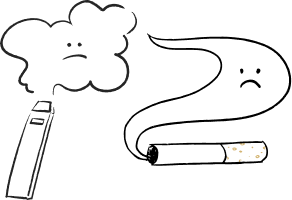
Don’t smoke or vape.
Smoking kills, we all know this. But, what about vaping? The hard truth is that vaping is basically the same as smoking cigarettes. It’s highly addictive and very bad for you.
Did you know?
Tobacco is linked to cancers all over the body, not just lung cancer. One nicotine pod is equivalent to smoking an entire pack of cigarettes and nic salts can be even stronger. Ready to quit? We can help.
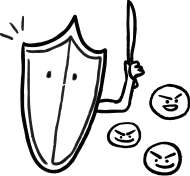
Get vaccinated.
Just two vaccines can prevent you from getting seven different types of cancer. Why wouldn’t you get the HPV and Hep B vaccines?
Did you know?
The HPV vaccine protects you from contracting cancer-causing strains of HPV in the first place. Hepatitis B is the leading cause of liver cancer. The earlier you get vaccinated, the more protected you are.

Live a healthy life.
It may be boring, but it is effective when it comes to preventing cancer. Limiting alcohol, exercising regularly, eating balanced meals, and getting enough sleep really do help.
Did you know?
More than 46,000 cancer cases in the U.S. could be prevented every year with increased physical activity. Alcohol damages your DNA, which allows a cell to begin growing out of control and create a cancerous tumor.

Know your family history.
It’s not gossip, it’s live saving information. Sharing a record of current and past illnesses among family members with your doctor may show them a pattern of certain diseases to keep an eye out for.
Did you know?
Having one first-degree relative with breast cancer approximately doubles your risk. About 1 in 3 people who are diagnosed with colorectal cancer have other family members who have had it.

Get screened (eventually).
You’re probably not old enough to start screening yet, but when it’s time, make sure you do. Some cancer screenings can find precancerous cells, which a doctor can remove before they fully develop into cancer.
Did you know?
Precancerous cells, called polyps, are found in approximately 25-50% of colonoscopies. Finding cancer early through screening greatly improves outcomes and survival rates.
You don’t need to have your whole life figured out to start protecting your health. Cancer prevention isn’t one giant decision — it’s a bunch of smaller ones repeated over time. Wear sunscreen. Get vaccinated. Skip cigarettes. Move your body. Pay attention to your health.
Cancer in teens and young adults is rare and symptoms are usually caused by something way less serious. So in general, you don’t need to worry too much about cancer right now. But persistent changes in your body should never be ignored.
Symptoms to pay attention to
For Young Women
For Young Men
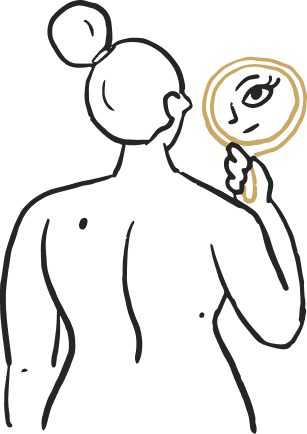
While you aren’t old enough for most screening tests yet, there is still a lot you can do to find cancer early. If something feels “off” and does not go away, trust yourself and talk to a parent, doctor, or healthcare provider.
You know your body best.
While most symptoms are not related to cancer, knowing the ins and outs of your body will make changes easier to spot. Telling a doctor about a weird symptom could help find cancer early, which will make it easier to treat. This is important!
Keeping notes about your health can help nurses and doctors understand what’s going on. Write down when symptoms started, how often they happen, and anything making them worse. And take pictures if possible!


Health anxiety is real. When you’re constantly seeing headlines about rising cancer rates, hearing stories on TikTok about people your age being diagnosed, or Googling a random symptom at 2 a.m., it can start to feel like your body is a ticking time bomb. But, here’s the thing: being aware of your health and being consumed by fear are not the same thing and don’t have to coexist.
Paying attention to your body is smart, but obsessing over every headache, bruise, or stomachache until you spiral? That’s not protecting you — it’s draining you.

The goal of cancer prevention and early detection isn’t to live in fear. It’s to give yourself the best shot at a long, healthy life. That means focusing on the stuff you can control: wearing sunscreen, not smoking or vaping, knowing your family history, getting the HPV and Hep B vaccines, maintaining a healthy lifestyle, and going to the doctor when something feels off or when it’s time for recommended screenings.
It’s also important to protect your mental health. If cancer anxiety starts creeping in, try to incorporate these tips into your day-to-day. Making even just one of these adjustments will help dial down your stress.
Cancer is hard. Visit our library to help navigate cancer’s impact on your heart, body, soul, and everything in between.